
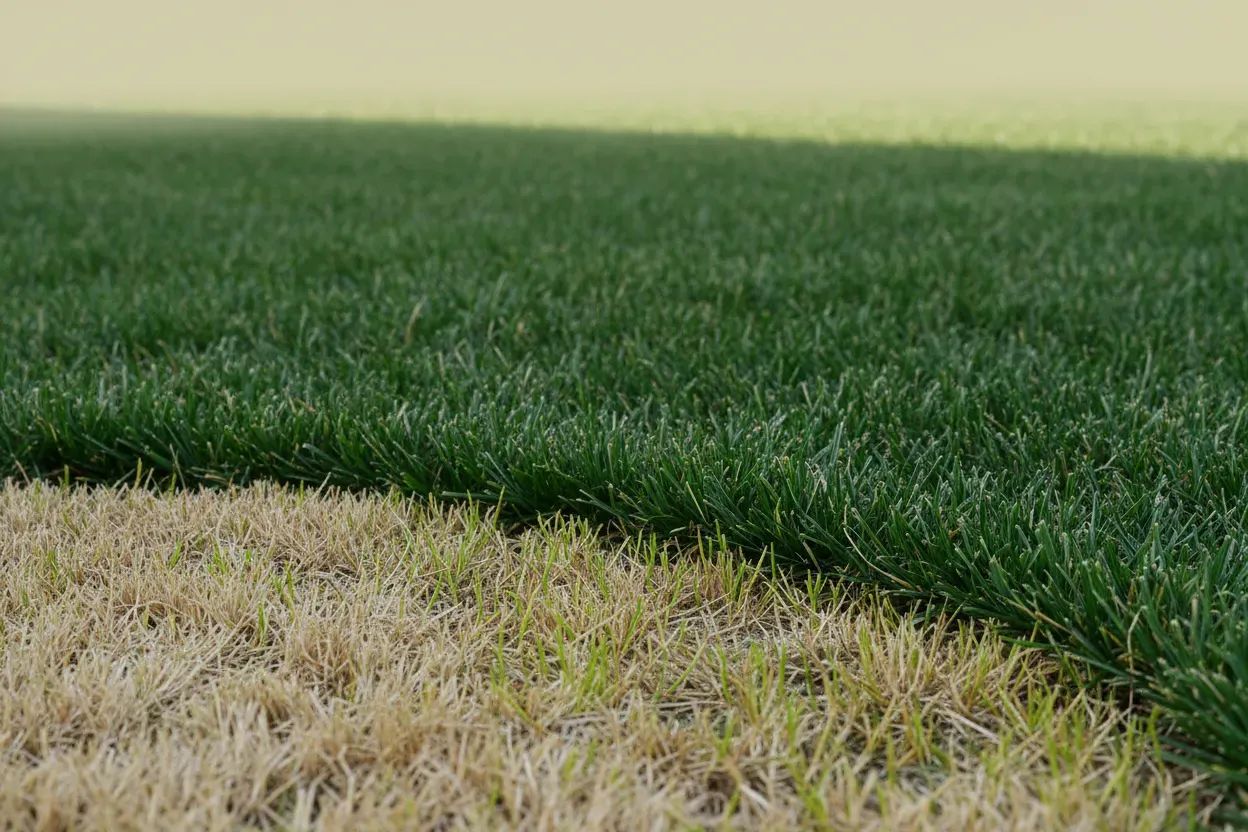
Summer heat can leave lawns brown, thin, and struggling to recover, but timing renovation decisions correctly makes all the difference. Professionals who manage sports fields and commercial properties have tested strategies that restore damaged turf without wasting time or resources. This article gathers their proven techniques for assessing heat damage, adjusting maintenance routines, and scheduling recovery work that actually delivers results.







11 gardeners in this bed
Let Soil Sensors Guide Irrigation
Omarr PickenFounder · OP Plumbing ServicesWhen a lawn thins or browns after heat or heavy use, I first prioritize correcting the watering rhythm using soil moisture-driven irrigation rather than immediately overseeding or topdressing. In a recent project we installed a smart irrigation system with sensors and converted traditional sprinklers to subsurface drip so watering schedules respond to soil moisture and weather. The single change that most improved recovery was switching to sensor-driven subsurface drip irrigation so water is applied only when the soil needs it. That steady, demand-based watering reduces stress on the turf and clarifies the best timing for any later overseeding or topdressing.
Pause Mowing Until Growth Returns
Callum GracieFounder · Otto MediaWhen a lawn thins after heat or heavy use I first confirm turf status with a soil probe at about three inches and average morning readings over several days, and I use the crown-and-tug test to see if crowns and roots are alive or dead. If crowns are firm and roots resist a gentle pull the turf is likely dormant and I generally wait for cooler, active growth to overseed or topdress; a dry, brittle crown with easily detached roots indicates it is time to renovate. For established cool-season turf in heat-and-drought dormancy I use light survival watering of about 1/4-1/2 inch every two to four weeks, applied early in the morning and in line with local restrictions. The single change that most improves recovery is to stop mowing until growth resumes and keep the lawn at its normal recommended height, avoiding removal of more than one-third of the blade when mowing restarts.
Aerate Compacted Soil, Then Raise Blades
Andrew DayOwner · Advanced Quality LawnThirty years of working Northeast Ohio lawns -- heavy clay soil, brutal winters, humid summers -- means I've seen this exact situation hundreds of times. The decision between overseeding, topdressing, or waiting isn't random; it comes down to soil compaction first.
If the lawn is thinning from heavy use, compaction is almost always the real culprit, not the heat itself. I've seen lawns in Stow and Twinsburg that looked heat-damaged but were actually suffocating. Aerate first, then overseed immediately after -- the seed drops right into those cores and you get dramatically better soil contact than scattering it on a hard surface.
The single biggest recovery improvement I've made across residential lawns is raising mowing height. Most homeowners in Akron cut at 2 inches thinking it looks cleaner. Raising to 3 to 4 inches shades the soil, reduces moisture loss, and stops crabgrass from getting the sunlight it needs to germinate. I've watched lawns that looked nearly unrecoverable turn around within a season just from that one change.
On timing -- if it's the middle of a July heatwave in Summit County, I tell homeowners to wait. Cool-season grasses like Kentucky Bluegrass and Tall Fescue need soil temps between 55 and 80 degrees to germinate well. Late August through mid-October is your window here. Seeding into stress just wastes seed and money.
Protect Living Turf With Higher Cuts
Gregory HairOwner, Landscaper · SLIDE LivingI first determine whether the lawn is dead or temporarily stressed. I check for living crowns or runners near the soil, then inspect moisture, compaction, irrigation coverage and traffic damage. If warm-season turf such as buffalo, couch or kikuyu still has living runners, I would reduce traffic and wait for active growth before renovating. Topdressing is most useful during active growth when minor levels or soil structure need improvement. Overseeding suits genuinely bare areas only when the seed is compatible with the existing lawn and season.
The single change I favour after heat or heavy use is raising the mowing height and never removing more than one-third of the leaf at once. Extra leaf helps shade the soil and gives the grass more capacity to recover. Once healthy growth returns, the height can be reduced gradually. Watering should be based on soil moisture and local restrictions, with deeper early-morning watering generally preferable to frequent shallow applications.
Cap Irrigation and Recycle Clippings
As a Certified Landscape Water Manager and Chairman of the NJ Board of Landscape Irrigation Contractors, I evaluate the root zone and soil profile before making that call.
For cool-season turf like Tall Fescue in Monmouth County, topdressing with organic compost improves biological activity and moisture retention in depleted soil before you even drop new seed.
The single most effective operational change is capping runtimes at 20 minutes no more than three times per week while returning grass clippings directly to the lawn.
Recycling those clippings feeds 1.0 lb of nitrogen per 1,000 square feet back into the ground annually while avoiding the surface puddling and fungal growth that choke recovering roots.
Shift Renovation to Early Fall
Mike MarlowCo-Founder · Heroes Lawn CareI always wait for cooler weather first to see if the grass recovers on its own. If the base is still mostly green but thin, I simply spread a thin layer of rich soil to feed the roots. If I see large bare patches, I overseed to fill them back in but I only do this once the summer heat passes so the young plants can survive. Shifting my maintenance to early fall when the air cools but the ground is still warm is the single best change I have for faster lawn recovery.
Elevate Mower Decks During Heat
George JohnsonCo-Owner · Lee Air ServicesPeople jump to the wrong fix at the wrong time with this — and it usually makes things worse.
First, figure out if your lawn is dormant or actually dead.
Push a screwdriver into the soil. If you can't get 6 inches deep without real force, the grass is compacted and stressed, not gone. Dormant grass stays brown but shows faint green or white at the crown. If the grass pulls out roots and all, that patch is dead and needs real work.
Overseeding, topdressing, or waiting?
If it's still peak heat — wait. Seed won't establish in stressed soil. You're just wasting money. The right window is late summer or early fall, after aeration, when cool-season grasses are ready to grow.
Topdressing with compost is the exception — it actually helps during recovery. It improves soil structure, holds moisture, and feeds the grass slowly. Thin layer, raked in. That's it.
For Bermuda and other warm-season grasses, skip overseeding altogether. Let the stolons and rhizomes do their job. Keep conditions right and they'll fill in on their own.
The one change that moves the needle most?
Raise your mowing height. Set the deck to 3.5-4 inches and mow less often. Taller grass shades the soil, drops ground temperature, and protects the crown. I've watched this single adjustment turn lawns around in two to three weeks.
On watering — daily light watering makes stress worse, not better. Use cycle-and-soak instead: water a zone 5-7 minutes, pause an hour, repeat. That pushes moisture into the root zone instead of evaporating off the surface.
And always water early morning. No exceptions.
Bottom line: hold off during peak heat, raise the mower, fix your watering, then aerate and overseed when temps drop. That sequence works every time.
Choose a Four-Inch Summer Trim
Jonathan HannaGeneral Manager for Chill Brothers Mechanical · Texas Central AirWhen a lawn starts thinning or browning after heat or heavy use, the worst thing you can do is grab a bag of seed and start throwing it around. First, figure out if the grass is dead or just dormant because those two problems have completely different solutions.
Here's the quickest way to check: tug on a few brown blades. If the roots snap off clean, the crowns are dead and you're looking at real renovation work. If there's any resistance at all, the plant is still alive just stressed. That one test changes your entire next move.
So overseed, topdress, or wait?
If less than 30% of the lawn is bare, aeration and overseeding is usually all you need. Over 30% bare with dead crowns? You're into fuller renovation territory.
Timing matters more than most people think. Never topdress or overseed a lawn that's still dormant or heat-stressed the grass has to be actively growing to push through the new material. Mid summer, I leave it alone. Topdressing in peak heat is genuinely risky; the grass can't grow fast enough to beat what you've laid over it.
The real window for cool-season lawns is late August through September. Soil is still warm, weeds slow down, and cooler air reduces moisture loss. That's when I overseed and topdress with a thin layer of compost at the same time the compost holds the seed against the soil and speeds germination. Doing both together beats treating them as two separate jobs every time.
The single change that's made the most difference?
Mowing height. Every time, no contest.
Most people cut at 2.5 to 3 inches year-round without thinking twice. In summer heat, that's actively hurting the lawn. Raise the blade to 4 inches or whatever your mower's highest setting is and you immediately get more leaf surface for photosynthesis, deeper root growth, and shade over the root zone. All three protect the lawn during the worst of the heat.
Cut too short, and you expose the soil to direct sun, spike the ground temperature, weaken the roots, and open the door for crabgrass to move right in.
During peak heat, mow every 10 days instead of weekly. Never take off more than a third of the blade in one cut. Avoid mowing in the afternoon. That simple rhythm has done more for struggling residential lawns than any product I've ever used.
Raise the blade. Be patient. Hit it hard in early fall. That's really all there is to it.
Water Deeply Before Sunrise
 John W.Owner · Sureway Comfort
As a Master Plumber managing sewer line installations and property restoration in Bridgeville, I frequently handle yard recovery after heavy equipment use and summer heat stress.
If heavy traffic has compacted the ground and created uneven surface dips, topdressing restores the soil grade, while waiting for the cooler late summer transition ensures new seed takes root effectively.
The single biggest improvement comes from shifting the watering rhythm to deep, early-morning cycles rather than frequent shallow watering. This drives moisture deep down to encourage root resilience and prevents rapid midday evaporation.
Read Turf Before You Act

Honestly, the first thing I do is just stop and read the lawn. Because thinning and browning don't always mean the same thing, and the fix depends entirely on what's actually going on underneath.
If the grass has thinned out — you're seeing bare patches, foot traffic areas worn down, spots where the turf just gave up — that's usually a seed population problem. That's when overseeding makes sense. But here's what most people skip: you can throw seed down all day, and if the soil is compacted or crusted over, it's going nowhere. That's where topdressing comes in. A thin layer of compost worked in before or during overseeding gives that seed something to grab onto. I've seen that one step completely change the outcome.
Now browning is different. If the whole lawn goes dull or straw-colored during a heat stretch, nine times out of ten that's dormancy, not death. Cool-season grasses especially do this — they're protecting themselves. And the worst thing you can do is panic and start renovating a dormant lawn. You'll stress it worse. Sometimes the right move is genuinely just waiting. Let the temperatures come down, keep foot traffic off it, and give it a deep drink once conditions shift. It'll surprise you.
The single change that's made the biggest difference for me across residential lawns? Raising the mowing height.
People cut too low. They think shorter looks cleaner, but what it actually does is rob the grass of the leaf surface it needs to feed itself and shade the soil underneath. When you let it come up — even just a half inch to an inch higher than you're used to — the root system deepens, the soil holds moisture longer, and the lawn handles heat stress dramatically better. I've had customers make that one adjustment and come back saying their lawn recovered faster than it ever had before.
The watering rhythm matters too. Frequent shallow watering keeps roots lazy and near the surface where they're most vulnerable. Deep and infrequent — less often but longer — trains roots to go down where the moisture and temperature are more stable.
So when someone asks me overseeding, topdressing, or waiting — my honest answer is: it depends on what the lawn is actually telling you. Learn to read it first, then act.
Maintain Taller Grass Through Stress
 Meghendra devMarketing expert
For deciding between overseeding, topdressing, or waiting, the size and cause of the thinning settles it for me. If it's diffuse thinning across the whole lawn rather than bare dirt, topdressing with a thin layer of compost usually closes the gap without disturbing what's still alive underneath. If there are actual bare patches, that's when overseeding is worth it, but timing matters more than method: seed sown into hot, dry soil just doesn't germinate reliably, so unless it's a warm-season lawn that will fill in on its own once temperatures drop, I hold off on overseeding cool-season grass until early fall, when soil temperatures ease and there's a real window for the seedlings to establish before winter.
The single change that's made the biggest difference for me across different lawns, though, isn't overseeding or topdressing at all — it's raising the mowing height and leaving it there. Cutting cool-season grass closer to 3 to 3.5 inches instead of 2 keeps more leaf surface to shade the soil and roots, which cuts moisture loss and lets the root system go deeper between waterings. A taller lawn recovers from heat stress faster on its own, and it also makes whatever overseeding or topdressing comes after far more effective, since you're not asking new seedlings to survive in soil that dries out every afternoon.