
Keeping a lawn green and garden beds healthy doesn't require guesswork or endless hours with a hose. Professional landscapers and irrigation specialists have identified specific watering strategies that consistently produce stronger roots and more resilient plants. This guide breaks down the most effective techniques that experts recommend for homeowners ready to upgrade their watering approach.





5 gardeners in this bed
Favor Deep Infrequent Soaks
Mike MarlowCo-Founder/Owner · Heroes Lawn CareI just look at the soil and how the leaves are drooping before I touch the hose. If it is windy or not, the ground dries out fast, so you have to water deeply. I would rather water twice a week for 45 minutes than water every day for 20 mins. Remember that it's better to water deeply than to water often. When it rains, I just turn the whole system off, unless it was just a light drizzle that barely soaked the mulch.
Split Zones Let Soil Decide
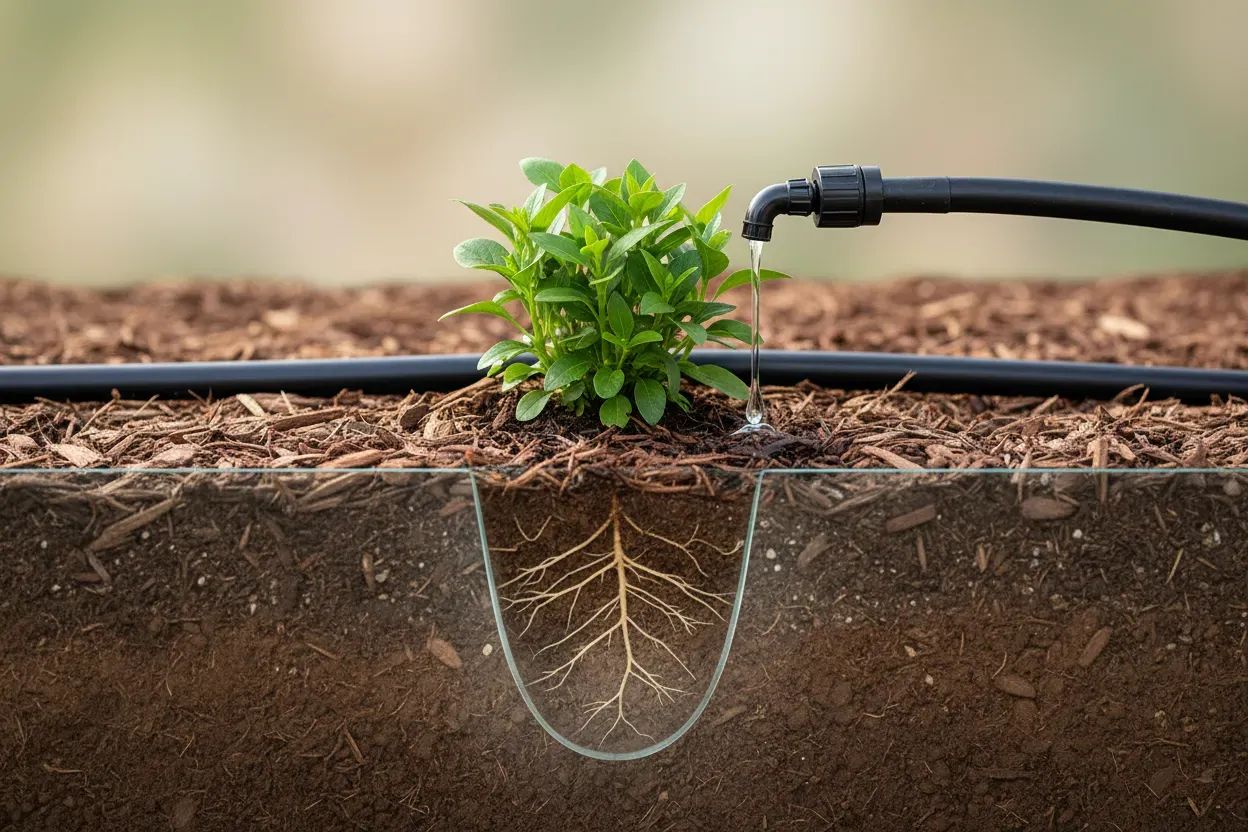
Gregory HairOwner, Landscaper · SLIDE LivingThe biggest improvement came from stopping the lawn and garden beds from sharing one watering schedule. I water each area until moisture reaches the active root zone, then wait until the soil begins drying before watering again. During heat or wind, I check more often rather than automatically adding a longer cycle; after useful rain, I delay the next one. Lawns suit sprinklers, while drip or soaker lines put water directly into mixed beds without losing as much to wind. The soil decides the timing, not the day of the week.
Redirect Runoff Protect Foundation
Victor SmushkevichFounder · Mold Scanner AII water for the soil, not the calendar. Before I adjust anything, I test drainage. Dig a small hole, fill it, time how fast it drains. Slow drainage near the house warns me more than any weather app.
The single adjustment that changed things most: I moved sprinkler heads and downspouts so water lands three feet off the foundation, not against it. Then I switched to fewer, deeper waterings early in the morning. Deep watering pushes roots down, where they handle heat and wind better. Morning timing lets everything dry before evening humidity climbs. During heavy rain, I just skip the cycle and let the soil catch up.
That foundation distance matters for more than the lawn. Water pooling against a house is one of the most common paths into a damp crawlspace or basement. About 47% of US homes already show visible dampness or mold, per NIH data. Fixing the grade where soil meets siding does more for a home than any sprinkler timer.
Rule I'd give anyone: water deep, water early, and keep it three feet off the foundation.
Pulse Runs Improve Absorption
Joseph DemkovichBrand President · Heroes Lawn CareWhen the weather is unpredictable, I pay attention to the soil and the wind because a hot, windy day can dry plants out much faster, even if the temperature is the same. After a good rain, I shut the irrigation system off for a few days and let the soil use that moisture first.
When you water, split one long watering session into shorter cycles. Instead of running the sprinklers for 30 minutes straight and watching the water puddle, I water for about 10 minutes, give time to absorb it, and then run another cycle later. It may take a little longer, but more water reaches the roots.
Automate Drip Ensure Reliable Moisture
John HofmannFounder/Treasurer · Urban SeedWe manage this with a simple system: drip hose on timers, running 30 minutes every morning at 4:30 AM. That early start is deliberate. Watering before sunrise lets moisture soak deep into the soil before heat and wind show up to steal it through evaporation, and it means the leaves dry off fast once the sun's up, which keeps fungal issues away.
Our raised beds in the Giving Garden run 40 inches by 8 feet, and just under 2 feet deep. That depth matters more than people expect. Deeper beds hold water longer and buffer the roots against the kind of swings you get with shallow containers, so we're not chasing a hose every time it gets windy or the temperature spikes.
The single biggest improvement? Switching from hand watering to a scheduled drip system. Hand watering depends on someone remembering to do it, and doing it consistently, and we're a 100% volunteer organization, so that gap was real. Automating it took the guesswork out of watering and gave every bed the same reliable soak every day. Plant health improved almost immediately, and we stopped losing water to runoff and surface evaporation.