
Keeping a home garden healthy while conserving water requires strategic irrigation choices. This article examines practical techniques that balance plant vitality with responsible water usage, featuring advice from professional horticulturists and irrigation specialists. Learn how matching watering depth to root systems can transform garden maintenance and reduce waste.

1 gardener in this bed
Irrigate Deeply by Root Depth
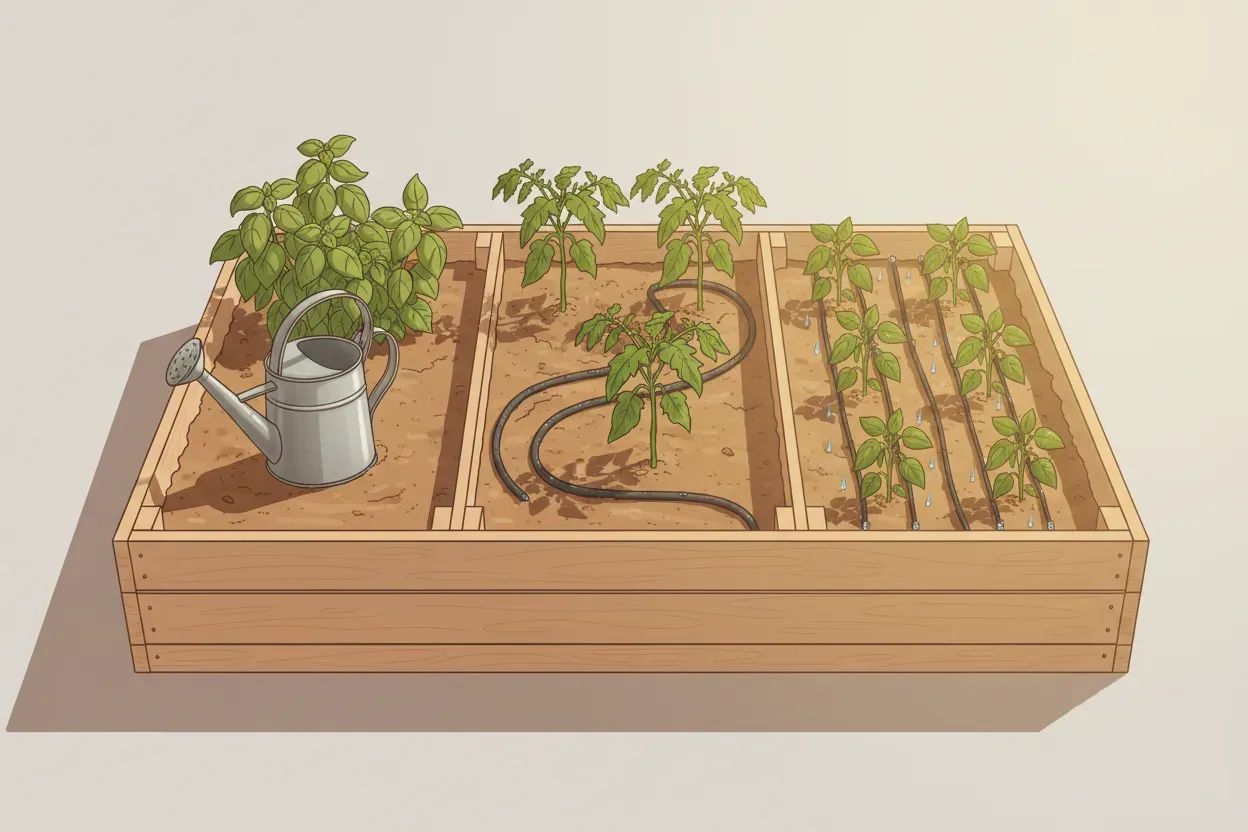
Maria De Los PalotesOwner / Landscape Ideas Editor · 101 Landscape IdeasI choose the method by root depth and the value of the plant, not by convenience alone. Hand watering is best for new transplants, containers, and anything that needs close inspection because you can see wilt, dry pockets, pests, or runoff while you water. The downside is that people usually stop too early, so it often wets the mulch but not the root zone.
Soaker hoses are a good middle option for vegetable beds, hedges, and narrow foundation plantings. They put water down slowly and are easy to move, but they should be tested for even coverage because the first few feet can water differently than the end of the line. I like them under mulch, not on top of bare, hot soil.
Drip lines are the best choice for established beds, drought-tolerant landscapes, and places with watering limits because they deliver repeatable water directly to the root zone with less evaporation. In hot climates, including South Florida, that consistency matters more than a quick daily sprinkle.
The single schedule habit that reduces stress most is watering less often but long enough to reach the active roots, then checking soil moisture before the next cycle. I use early morning watering and group plants by need: new plants get separate short checks, established shrubs get deeper cycles, and drought-tolerant plants are allowed to dry slightly between waterings. A cheap rain gauge or tuna-can test also keeps the schedule honest because irrigation minutes do not always equal water in the soil.
Capture Rainfall for Dry Days
Collecting rainwater gives a home garden a useful supply during dry weather. A rain barrel placed under a clean roof downspout can catch water that would otherwise flow away. This stored water is especially helpful for flower beds, containers, and young plants.
Gardeners should keep the barrel covered to block leaves, insects, and sunlight. Local rules may set limits on rainwater collection, so checking them first is wise. Set up a covered rain barrel before the next rainfall.
Adopt Weather-Smart Controls
Fixed irrigation schedules often run even after rain or during cool weather. A weather-based controller adjusts watering times by using local weather data or a nearby sensor. It can reduce watering when rain has added moisture to the soil.
It can also increase watering carefully during hot, dry periods when plants need more help. This creates a schedule that better matches real garden conditions. Replace a fixed timer with a weather-based controller for smarter watering.
Sort Beds by Moisture Needs
Plants do not all need the same amount of water to stay healthy. Placing thirsty vegetables and flowers together makes it easier to water only where it is needed. Drought-tolerant plants can be grouped in a separate area that receives less irrigation.
This approach prevents water from being wasted on plants that prefer drier soil. It also helps gardeners spot plants that are getting too much or too little moisture. Arrange garden areas by water need to make every watering count.
Check Emitters for Leaks
Small leaks and clogged emitters can waste water while leaving plants unevenly watered. Checking irrigation parts often helps catch these problems before they grow worse. A wet patch, a weak spray, or water pooling near a line can signal that a repair is needed.
Cleaning or replacing a damaged emitter helps deliver water directly to the root area. Regular checks also help confirm that each section of the garden is receiving the right amount of water. Inspect the irrigation system this week and fix any problems quickly.
Shield Soil With Mulch
Mulch forms a protective cover over the soil in garden beds. Materials such as shredded leaves, wood chips, or straw help slow the loss of water from the soil surface. The covered soil also stays cooler on hot days, which supports healthier roots.
Mulch can limit weeds that compete with garden plants for moisture. It should be kept a few inches away from plant stems to prevent rot and pest problems. Add a layer of mulch to beds to hold moisture longer.