
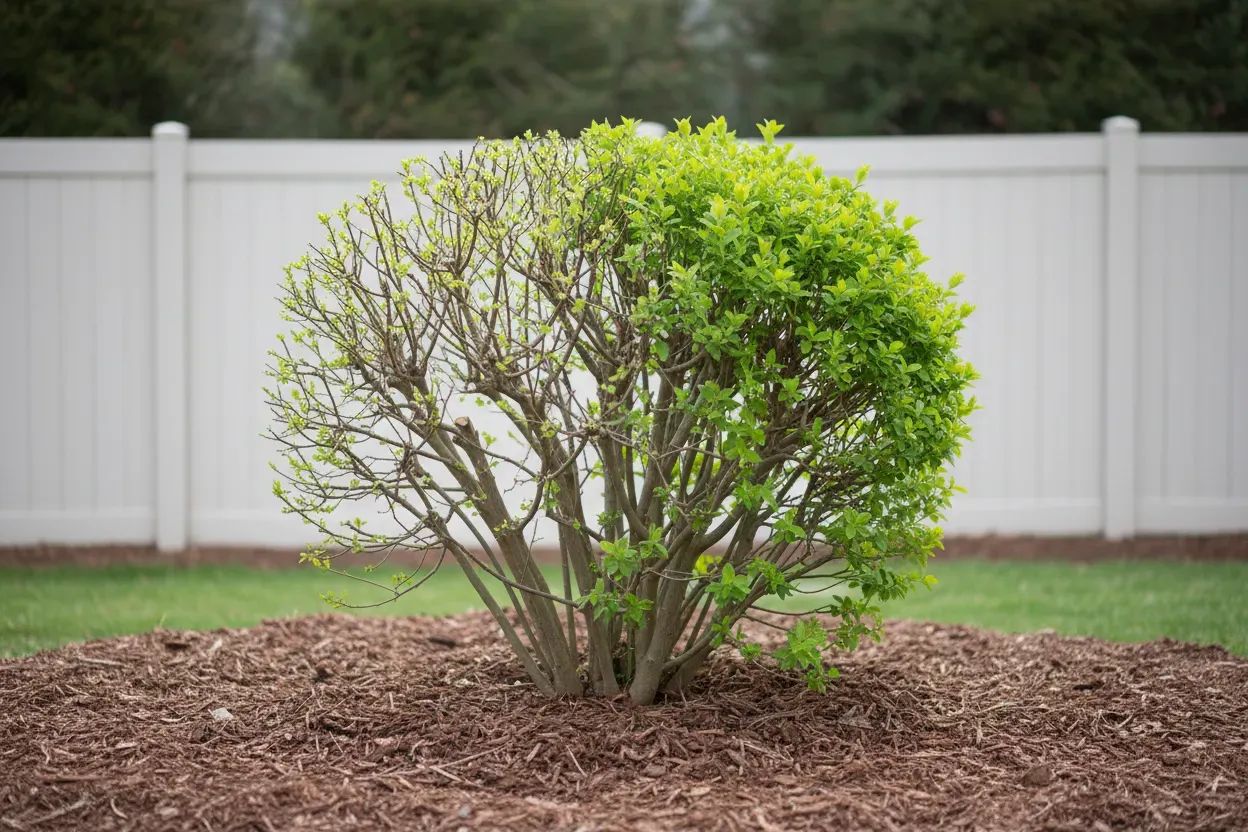
Overgrown ornamental shrubs can transform from garden highlights into unruly eyesores, but strategic pruning brings them back to their full potential. The key lies in matching your approach to each plant's natural growth habits and flowering patterns. This guide draws on expert recommendations to help you restore shape and maximize blooms without causing lasting damage to your shrubs.



3 gardeners in this bed
Favor Three-Year Renewal For Rebound
Belle FlorendoMarketing coordinator · My Accurate Home and Commercial ServicesPruning ornamental shrubs isn't something we perform as a service, but the decision framework looks a lot like how we approach property care at Accurate Home and Commercial Services: assess the condition honestly, then match the intervention to what the asset can handle.
When I'm walking a property with a client, I treat an overgrown shrub the way we treat any deferred maintenance issue, you weigh the tradeoffs before you swing the tool. Gradual thinning is the conservative play. You're removing the oldest canes at the base, opening up airflow, and letting light reach interior growth. It's lower risk, keeps the plant flowering on a predictable cycle, and it's what I recommend when the shrub still has good structure underneath the mess. The rebound is steady, not dramatic.
A hard cutback is the renovation move. You're betting the plant has enough vigor in its root system to push new growth from the base. I only go that route when thinning won't fix the problem, woody, leggy, hollowed-out shrubs that have lost their form entirely. You'll sacrifice a season of blooms on spring-flowering varieties, so timing matters: cut spring bloomers right after they flower, and summer bloomers in late winter before new growth pushes.
The most reliable rebound I've seen comes from the three-year renewal method on older shrubs, remove a third of the oldest wood each year for three years. You get form restoration without the shock, and flowering stays close to normal.
The same principle runs through how we handle inspections and construction work across the Greater Houston area: explain the tradeoffs clearly, prioritize what protects long-term health, and don't oversell a dramatic fix when a measured one will do. Whether it's a shrub or a structural finding, the honest conversation about gradual versus aggressive is what builds trust with the homeowner.
Align Intensity With Vigor And Bloom
Ysabel FlorendoMarketing coordinator · Davila's ClinicPruning ornamental shrubs isn't something we do at the clinic, but the decision framework looks a lot like how we coach patients through treatment choices at Davila's Clinic, and that's the lens I'd offer.
When something is overgrown or out of shape, the first question is always: how much stress can the system tolerate right now? A gradual thinning is the equivalent of a measured, preventive approach, you remove the oldest, weakest, crossing branches a third at a time over two or three seasons. It preserves flowering wood, keeps the plant photosynthesizing, and lowers the risk of shock. That's the route I'd take with anything already stressed, slow-growing, or blooming on old wood (think lilacs, azaleas, viburnum).
A hard cutback, taking it down to 12 to 18 inches, is the bigger intervention. I reserve that for vigorous, root-strong shrubs that bloom on new wood: spirea, butterfly bush, dogwood, overgrown crape myrtle. If the shape is too far gone for incremental work, a clean reset actually gives you a better five-year outcome than chasing it with light cuts every year.
Timing is where most people lose the plant. Late winter, just before bud break, has been the most reliable window for me on new-wood bloomers and structural rejuvenation. For old-wood bloomers, I wait until right after they finish flowering so I don't sacrifice next year's show. Never hard-prune in late summer or fall, you'll push tender growth straight into cold stress.
The decision I keep coming back to: match the intensity of the cut to the vigor of the plant and the timing of its bloom cycle. When I'm unsure, I thin first, watch a season, then commit. That mirrors how we explain tradeoffs with patients, start with the least invasive option that still moves the needle, and escalate only when the evidence says it's the right call.
Let Health And Structure Guide Choice
Joseph DemkovichBrand President · Heroes Lawn CareWhen deciding between gradual thinning and a stronger cutback, I consider the shrub's health and structure. If the plant is overgrown but still has a reasonable shape, go for gradual thinning.
Removing some of the branches from previous seasons helps restore the form without putting stress on the plant.
A stronger cutback is reserved for shrubs that are badly overgrown, misshapen, or full of dead interior growth.
A simple trim will not solve the problem because the plant needs room to produce healthy new growth from the base or lower branches.
Make sure you know the shrub variety first because not every ornamental shrub responds well to being cut back hard.
The best timing is usually late winter or early spring, before the shrub starts growing again. This puts less stress on the plant and makes it easier to see which branches to cut.
Once the weather warms, the shrub can put energy into fresh, healthy growth.
The main exceptions is spring-flowering shrubs, like lilacs. These should be pruned right after they bloom, because pruning too early can cut off the flower buds.
Remove One-Third Annually For Stability
Removing no more than one-third of the shrub each year protects its energy reserves and prevents shock. A staged approach lets new shoots grow and take over before more old wood is cut. This steady rhythm keeps the shape in check while blooms continue each season.
Focus on the oldest, weakest, or crossing stems first so the strongest growth remains. Time the work for late winter or right after flowering, based on when the shrub blooms. Make a three-year plan and mark your calendar to stick to it.
Use Selective Cuts To Preserve Form
Thinning cuts keep the natural form and improve light and air inside the shrub, which supports new blooms. Cutting a branch back to a larger stem or the ground avoids the dense outer shell that shearing can create. A tight shell blocks light, kills inner wood, and pushes weak, fast shoots that steal energy.
Clean, selective cuts guide growth and reduce pest problems too. The result is a fuller plant with flowers spread through the whole canopy. Choose thinning cuts at branch junctions and skip the hedge shears for lasting shape and color.
Protect Buds And Choose Dates Wisely
Flower buds are the future blooms, so guarding them during pruning keeps the show alive. Many spring shrubs form their buds the previous year, and those buds look plump compared to slim leaf buds. Summer bloomers often set buds on new growth, so timing the cut after spring flush is safer for them.
When cutting, aim just above an outward-facing bud to steer growth and avoid damage. Sharp blades help avoid crushing the tender bud tissue. Check for visible buds before each cut and plan your timing to protect them.
Water Deeply And Mulch For Recovery
Good aftercare lowers stress and speeds recovery once pruning is done. A slow, deep watering helps roots replace lost leaf area and supports new shoots. A two to three inch layer of mulch keeps soil moisture steady and cool, which protects fine roots.
Keep mulch a few inches away from the stems to prevent rot and pests. Monitor soil moisture for a few weeks and avoid heavy fertilizer until fresh growth appears. Give the shrub a deep drink and a fresh mulch ring today.
Disinfect Blades To Prevent Disease Spread
Clean tools stop hidden diseases from moving from plant to plant during pruning. Wiping blades with 70 percent alcohol or a 10 percent bleach mix for at least 30 seconds kills most pathogens. Sap should be scraped off first so the disinfectant touches the metal.
Dry the blades after cleaning to prevent rust and keep cuts smooth. Extra cleaning is vital after working on a sick shrub or one with cankers. Keep a small spray bottle and rag with your tools and use them between plants.