
Pruning flowering shrubs at the wrong time can eliminate an entire season of blooms, leaving gardeners frustrated and yards looking bare. Knowing when to trim depends on whether a shrub flowers on new or old wood, a distinction many homeowners overlook. Landscaping professionals explain the simple timing rules that ensure beautiful blooms year after year.

1 gardener in this bed
Time Cuts to Flower Habit and July Fourth
Mary Helen O'LearyPresident and Owner · Heroes Lawn CareDeciding when to prune all comes down to when the plant blooms, because you have to know if it's setting buds on old wood from last year or new growth from this spring.
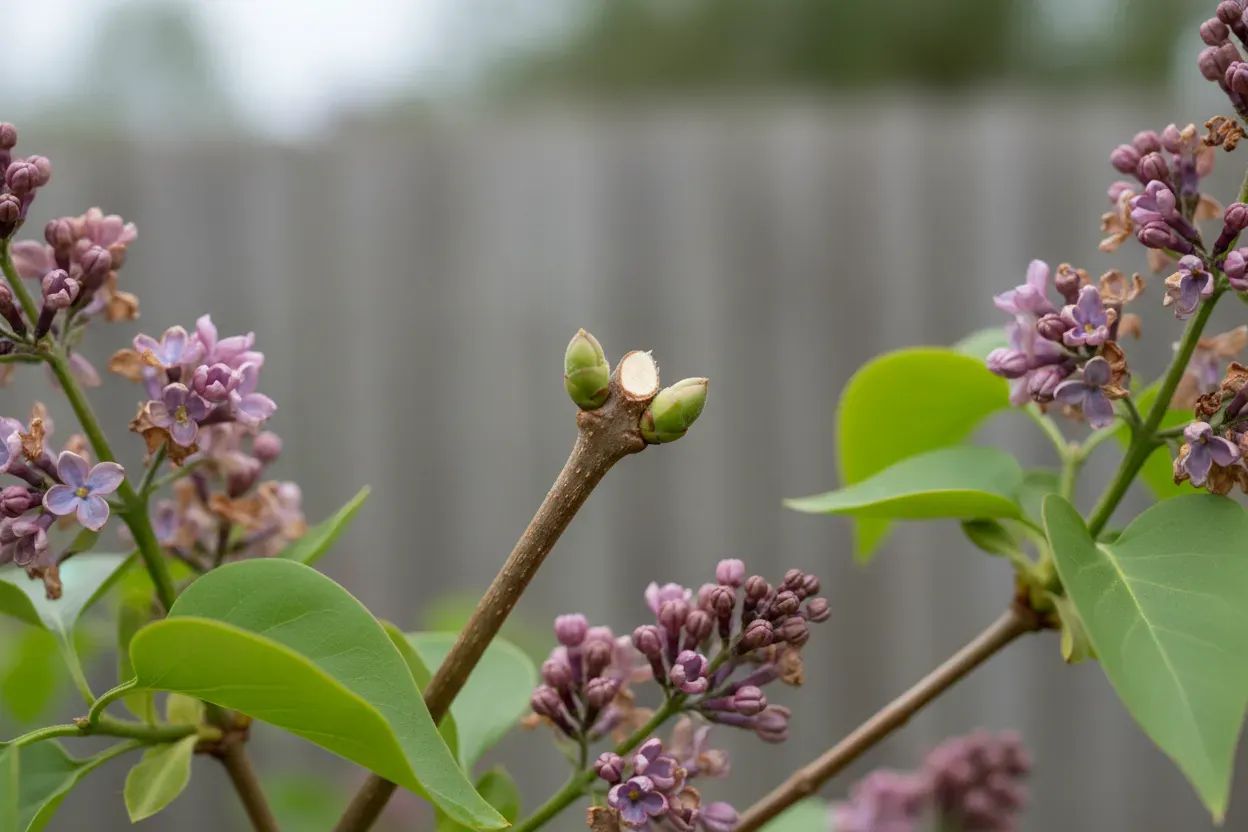
For anything that flowers in the spring, like a lilac or forsythia, you want to cut it back immediately after the blossoms fade so it has the whole summer to grow next year's buds.
Summer bloomers are the opposite, so you'll want to handle those in late winter or very early spring while they are still dormant. As for how much to take off, sticking to the "one-third rule" keeps the plant perfectly healthy: you just remove the oldest, woodiest stems down to the ground and lightly shape the rest.
The absolute best habit I've picked up is using a hard calendar deadline of July 4th for all my spring-blooming shrubs. If I don't get out there by the holiday, I put the shears away for the year because waiting any longer means accidentally cutting off next spring's entire flower show.
I learned this the hard way a few years back when I got lazy and trimmed my big azalea bush in late August. The plant itself survived just fine, but the next spring it was totally bare and sad without a single blossom on it because I'd mistakenly sheared off all the hidden buds.
Plan Gentle Touch Now Heavy Jobs in Dormancy
Light touch pruning during the growing season keeps shrubs tidy without cutting into heavy bloom. Shortening wayward tips after flowering keeps form while protecting next year’s buds on old-wood plants. Save heavy renovation, such as removing older canes low on the plant, for late winter when the shrub is dormant.
Dormant cuts heal well, and the plant can push strong new shoots in spring. Spreading big cuts over two or three winters also lowers stress. Set a calendar now for light touch after bloom and deeper work in dormancy.
Let Yard Signals Guide Your Work Window
Seasonal signs in the yard can guide pruning better than dates on a calendar. When forsythia flowers open, soil temperatures have warmed enough to trigger growth in many shrubs that bloom on new wood, signaling a safe time for shaping them. When lilacs finish blooming, it flags the window to prune other old-wood spring shrubs without losing next year’s buds.
These living cues track local weather swings that a fixed schedule can miss. Using them keeps choices simple and bloom friendly. Watch your forsythia and lilac this season and let their timing set your pruning plan.
Know Wood Type and Label Each Shrub
Many shrubs set flowers on either last year’s growth, called old wood, or on the current year’s growth, called new wood. Knowing which type a shrub uses sets the right pruning window. Old-wood bloomers, such as lilac and azalea, should be pruned just after they finish flowering so next year’s buds are not cut off.
New-wood bloomers, such as panicle hydrangea and rose of Sharon, can be pruned in late winter or very early spring before growth starts. A quick label or note with each plant’s group helps avoid mistakes season after season. Check your shrubs and mark their bloom wood today to time cuts with confidence.
Read Bud Cues and Schedule Weekly Checks
Bud size and shape give clear signals for safe pruning. When buds are tight and small, cuts on new-wood shrubs are less likely to remove blooms. As buds swell and show color, it means the plant has already set this season’s flowers, so pruning should pause.
On old-wood shrubs, wait until the petals fade and then make light cuts while the new buds for next year have not formed yet. This watchful timing protects flowers and keeps structure neat. Start a habit of checking bud swell each week and plan your pruning around those cues.
Delay Trims during Set Stage and Remove Hazards
Visible flower buds are the plant’s promise of blooms to come. Cutting when those buds are showing will reduce the show and can stress the shrub. During that stage, only remove dead, broken, or diseased wood to keep the plant healthy.
Shaping cuts can wait until petals drop or until dormancy, depending on the shrub. This pause keeps the energy flowing to flowers rather than wound repair. Put down the pruners when you see fat buds and return after the display is done.