
Home gardeners often struggle to control pests without harming the beneficial insects that keep their gardens healthy. This article compiles practical strategies from pest management professionals who balance effective treatment with ecosystem protection. Learn four targeted approaches that minimize collateral damage while addressing garden pest issues.




4 gardeners in this bed
Scout Early to Contain Problems Locally
Ydette FlorendoMarketing coordinator · A-S Medical SolutionsWhen pests show up in my garden, I use the same prioritization muscle we use at A-S Medication Solutions when we're helping sites decide what to fix first: map the damage, then pick the smallest intervention that still protects the crop. I don't default to a full-yard spray any more than we'd push a one-size-fits-all adherence fix on every patient.
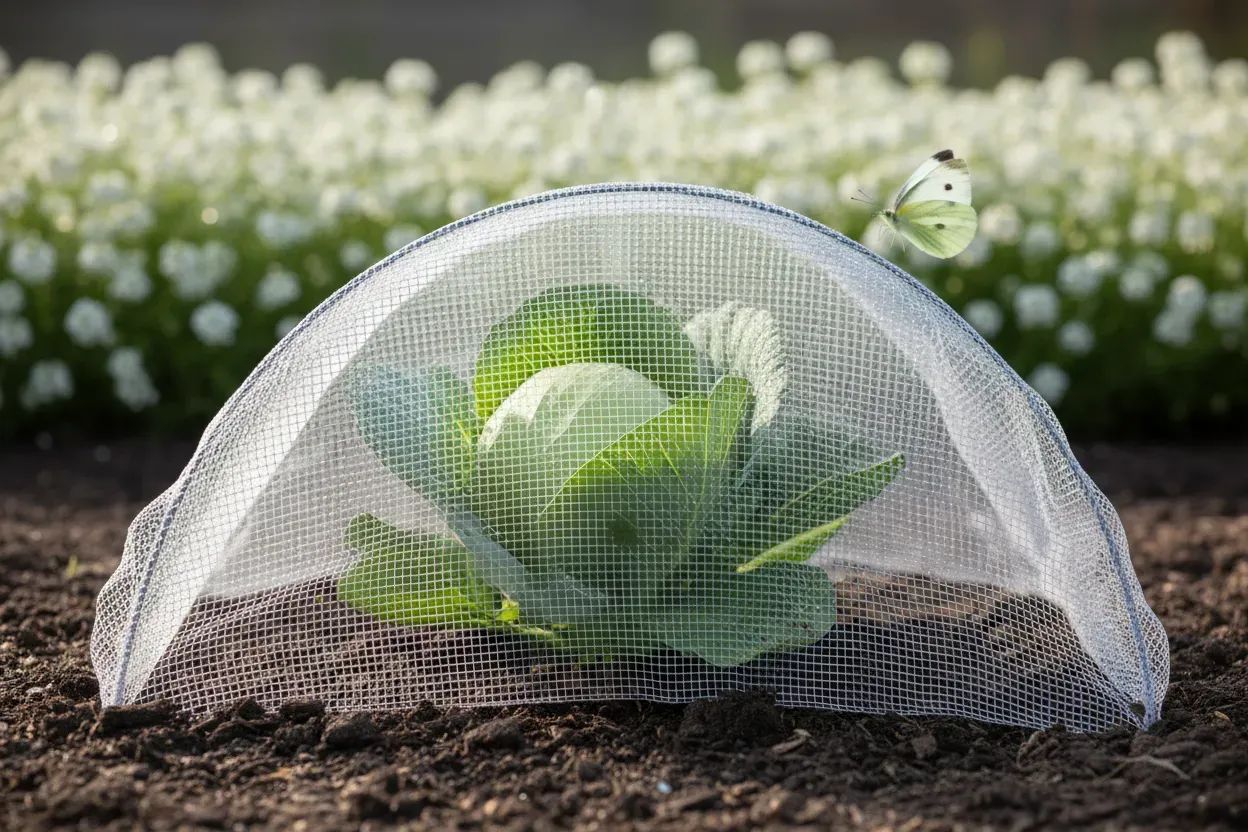
My order is almost always barriers first, habitat second, targeted treatment last. If aphids or caterpillars are clustered on one bed, row cover or fine mesh over that section stops the chewing without touching the rest of the plot or the beneficials working nearby. That's the tradeoff conversation we have with clinicians all the time: contain the problem where it lives, spare everything that isn't affected.
Habitat is the move that pays off over the season, even when it feels slow in the moment. I've tucked dill, fennel, and yarrow at the edges and left a strip of native blooms along the fence so parasitic wasps and ladybugs have reason to stay. It won't erase tonight's holes, but it keeps the next wave smaller. It rhymes with what we see in point-of-care dispensing: change the environment so the right behavior happens at the right time, and you need fewer heavy-handed fixes later.
When I do treat, it's narrow and timed. Bt on brassicas only when I see caterpillar frass, applied toward dusk so bees aren't on open flowers. The single practice that's most reliably turned an outbreak around without creating new problems: scouting the same two mornings every week and acting on eggs and first instars, not ragged leaves. Early means a barrier or one pass is enough; late means you're tempted toward broad products that haunt you next year.
Before I buy anything, I read labels like we vet partners at ASM: who it spares, re-entry, whether it'll hit pollinators on bloom. I skip the cheap "kill everything" wins that buy resistance and empty beds later.
Treat at Dusk Limit to Outbreak Zones
Belle FlorendoMarketing coordinator · My Accurate Home and Commercial ServicesWhen garden pests start shredding leaves around the Greater Houston communities we serve from Conroe to The Woodlands, my decision tree starts with damage, not panic. Working in marketing and client education at Accurate Home and Commercial Services, I hear the same story every spring: folks sprayed everything and accidentally knocked out the ladybugs that were doing free labor. We steer people toward integrated pest management the way our licensed pest team handles homes, with timing and precision before blanket treatments.
If the problem stays in one bed or crop, physical barriers almost always get the first yes. Lightweight row cover on seedlings, fine insect mesh over fruiting plants, or cardboard collars at the soil line stop caterpillars and cutworms fast while sparing bees and lacewings. That's the lowest-risk move, and it's usually enough when you catch it early.
Habitat changes come next when barriers alone feel like whack-a-mole. Reducing heavy mulch pockets, improving airflow between plants, and keeping a strip of flowering natives nearby gives predators a place to stay while you intervene on the chewed plants only. You're not trying to sterilize the yard; you're tilting the balance back.
I reserve targeted treatment for when value is on the line (tomatoes heading into harvest) and barriers plus habitat haven't slowed the feeding. Then it's spot work, not fogging the whole garden: apply at dusk or very early morning when pollinators aren't active, use a product labeled for that pest group, and treat the outbreak zone only. That single timing choice has been the most reliable turnaround for our customers without creating a secondary mess, because you're not coating open blooms at noon.
The follow-through matters just as much. A second look about a week later catches eggs and nymphs the first pass missed, which is how you avoid the rebound that makes people double down on harsh sprays. That's how we build trust on every job: clear tradeoffs, respect for beneficial insects, and a plan that doesn't trade this month's leaves for next month's new problems.
Cover Transplants Lift Only for Bloom
Ysabel FlorendoMarketing coordinator · Harlingen ChurchWhen pests start chewing through my plants, I treat it like the tradeoff calls we make in any tight season at North 7th Street Church of Christ: protect what's feeding people without wiping out the helpers you still need tomorrow. I walk the rows first thing in the morning for three days straight and write down what's damaged, what's actually eating it, and whether beneficials are already on the job. That quick research beats guessing, and it's the same habit we use when we explain choices clearly to folks who depend on us.
If damage stays on one plant or one bed, physical barriers win. Lightweight row cover right after transplant, collars around tender stems, or hand-picking at dusk costs little and doesn't poison the pollinators. If the problem is everywhere, habitat gets my attention before bottles: pull weedy refuge spots, stop wetting leaves at night, and mix flowers and herbs through the vegetables so predators have somewhere to live. I only reach for a targeted treatment when loss crosses what I'd call a real threshold: the garden can't reliably feed the people you promised it would.
The single timing choice that's turned outbreaks around for me without creating new messes later is covering young transplants immediately, then lifting cover only during pollination windows, with watering at dawn so foliage dries fast. That combo cut hornworm and squash bug pressure for me two seasons running. When I still had to act, I spot-treated with soap or Bt on affected leaves after sunset, not across the whole plot.
I've seen broad sprays fix July and wreck August when ladybugs never return. Observe, prioritize the core crop, intervene small and late in the day, and log what you did. Two seasons of honest notes will outlast any generic tip sheet, and you'll spare the beneficial insects that do half the work for free.
Allow Two Days Confirm Beneficial Insects
Alfred PintorFounder and Owner · Copper Collar ServicesI treat pest issues as I would any other problem in the garden: Observe. Identify. Then act accordingly.
Know thy enemy.
Identification is key to every decision I make in the garden. Before I pick up a spray bottle I take a walk out into the garden at dusk with a flashlight and identify precisely what creature is chewing because caterpillars, beetles, and snails all require different treatment. Slow moving damage from a few pests means I reach for something physical to exclude them like netting or copper tape. Fast devouring damage that's increasing means I consider a targeted treatment. And if the same pest problem occurs year after year, I know I have to change the habitat; mulch, watering schedule or placement of that particular plant.
My biggest success came when I decided to allow ANY outbreak 48 hours of scrutiny before I treated anything. In that time I examine leaves for ladybug larvae, lacewing eggs, and spiders already addressing the issue. Often times nature has already recruited workers and if I spray those things I'll be killing off my volunteer workforce. If the damage continues to get worse after that time period I take action and start with the most gentle method available to me. Always barriers before treatments. That mindset alone has saved me many headaches.