
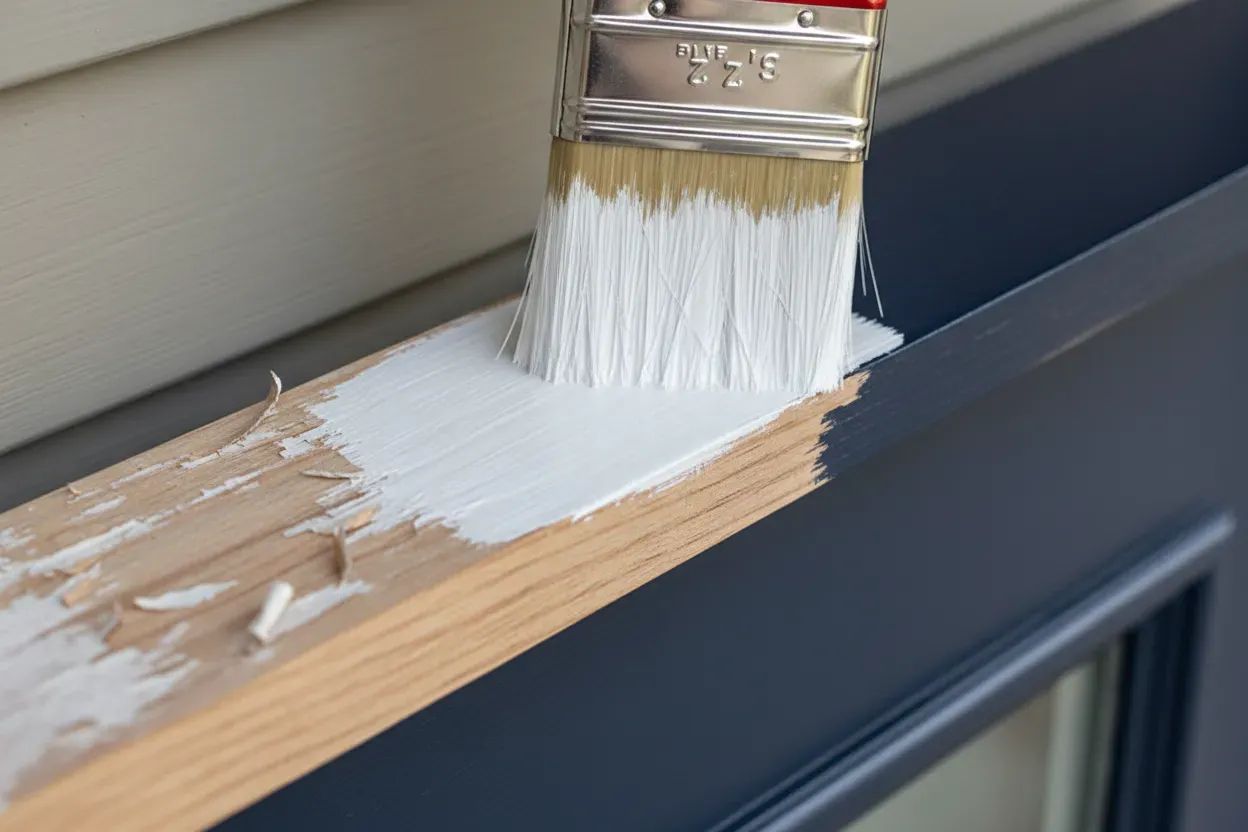
Properly preparing exterior wood surfaces is the difference between a paint job that lasts years and one that fails within months. This article breaks down the essential steps professionals use to ensure paint adheres correctly and withstands harsh weather conditions. Learn from expert techniques on assessing wood condition, testing adhesion, and addressing common issues before applying that first coat.



3 gardeners in this bed
Assess Condition Choose Undercoat and Acrylic
Kurt HallerFranchise Owner · Groovy Hues PaintingIt just comes down to how bad the existing paint is flaking and if it's totally failing. If it's mostly solid, you can get away with just scraping the loose bits, sanding the edges smooth, and priming those bare spots.
But if it's cracking all over like old alligator skin or peeling down to the wood across large areas, you really have to strip it all off. Painting over a shaky foundation means the new coat will just pull the old stuff away and peel off anyway.
If you want the finish to last, the most important step is using a high-quality exterior primer on any bare wood before you paint. It basically acts like glue, sealing the porous wood and giving your topcoat something solid to grip onto so it doesn't just flake off in a year.
For the final finish, sticking with a premium 100% acrylic latex paint in a satin or semi-gloss handles the outdoor weather and wood movement way better than anything else. Taking that extra hour to prime properly easily doubles the time you get to spend not repainting your front door.
Test Adhesion Then Wash Thoroughly With TSP
Jake WoodsLighting Consultant · Residence SupplyThe decision between spot prep and a full strip usually comes down to one thing I check first — whether the existing paint is still bonded. I run my fingernail along the trim and press a piece of tape firmly onto the surface. If paint lifts with the tape or flakes under light pressure, that is a full strip situation. If the surface is intact but just dull, chalky, or faded, spot prep is usually enough to get a result that holds.
Where most people go wrong with spot prep is underestimating the edges. Any area where old paint has chipped or lifted, even slightly, needs to be feathered back properly with 120-grit sandpaper until there is no hard ridge between the old paint and the bare wood. Skip that step and the new coat will telegraph those edges within a season or two — especially on a south-facing door that gets direct sun.
For a front door specifically, I almost always recommend going back to bare wood if the paint has been layered more than two or three times. Thick buildup around panels and molding details gets soft in summer heat, and no amount of spot prep will fix that long term.
The single prep step that has made the most consistent difference in my experience is a thorough wash with TSP substitute before anything else. People underestimate how much chalk, grime, and oxidation builds up on exterior trim. Paint applied over a contaminated surface will peel regardless of how good the product is.
On the finish side, switching clients from gloss to a quality satin enamel on trim has extended results noticeably. Semi-gloss looks sharper initially, but satin is more forgiving of surface imperfections and tends to hold up better on older wood that moves with temperature changes. On a front door, I still lean toward semi-gloss — the surface gets touched constantly and needs to clean easily — but for the surrounding trim, satin wins on longevity.
Confirm Sound Coating Fix Moisture and Loose Paint
Gregory HairOwner, Landscaper · SLIDE LivingThe decision comes down to whether the existing coating is still sound. If the paint is mostly holding, I would spot prep: wash it properly, scrape anything loose, sand the edges smooth, prime bare spots, then repaint with a good exterior finish. If the coating is peeling in sheets, bubbling, cracked across large areas, or trapping moisture, a quick repaint is only hiding the failure. That is when you strip back to a stable surface, prime properly, and rebuild the finish from the substrate up. The prep step that extends the life of a paint job most is getting rid of loose paint and moisture problems before you open the topcoat. Paint fails when it cannot stick, so cleaning, sanding and priming bare timber or exposed areas matter more than the colour choice.
Verify Wood Dryness With a Meter
Dry wood helps paint stick and last longer. A surface can feel dry while the core still holds water. A moisture meter shows the real moisture level in the wood.
Most exterior paints bond best when the reading is below about fifteen percent. Check again after washing, rain, or heavy dew, and allow time and air flow for drying. Test the boards with a moisture meter before you prime.
Seal End Grain and Cut Edges
End grain acts like many small straws that soak up water fast. That water then causes swelling, cracks, and early paint failure. A dedicated end-grain sealer or a penetrating epoxy blocks that uptake.
Two thin coats on every cut edge help slow water and reduce checking. After it cures, prime and paint to build full protection. Seal every end and cut edge before you prime.
Dull Gloss to Improve Bond
Shiny old paint makes new paint slide instead of grip. A light scuff with 120 to 150 grit creates tiny scratches that help the new coat lock on. A liquid de-glosser can also dull the shine in tight spots and trim grooves.
Clean off dust and residue so the primer bonds to the wood and not to dirt. A quick tape pull on a small spot can confirm the surface is ready for primer. Dull the shine before you prime.
Upgrade Hardware and Set Nails Properly
Rusty screws and proud nails stain paint and let water creep in. Old steel can also react with tannins and leave dark marks that bleed through. Swap corroded parts for stainless or hot-dip galvanized hardware made for outdoors.
Set nails slightly below the surface, fill with exterior filler, sand smooth, and spot prime metal and patches. Tighten any loose boards so movement does not crack fresh paint. Swap bad fasteners and set nails flush before you paint.
Apply Borate to Deter Rot and Insects
Wood lasts longer when decay and bugs are kept away. Borate treatments soak into bare wood and make it less friendly to fungi and wood-boring insects. This is very helpful on sills, lower trim, and shaded areas that stay damp.
Brush or spray it on clean, dry wood and let it dry fully before priming. The treatment is clear and works under most primers once dry. Treat bare wood with borate before you prime.