
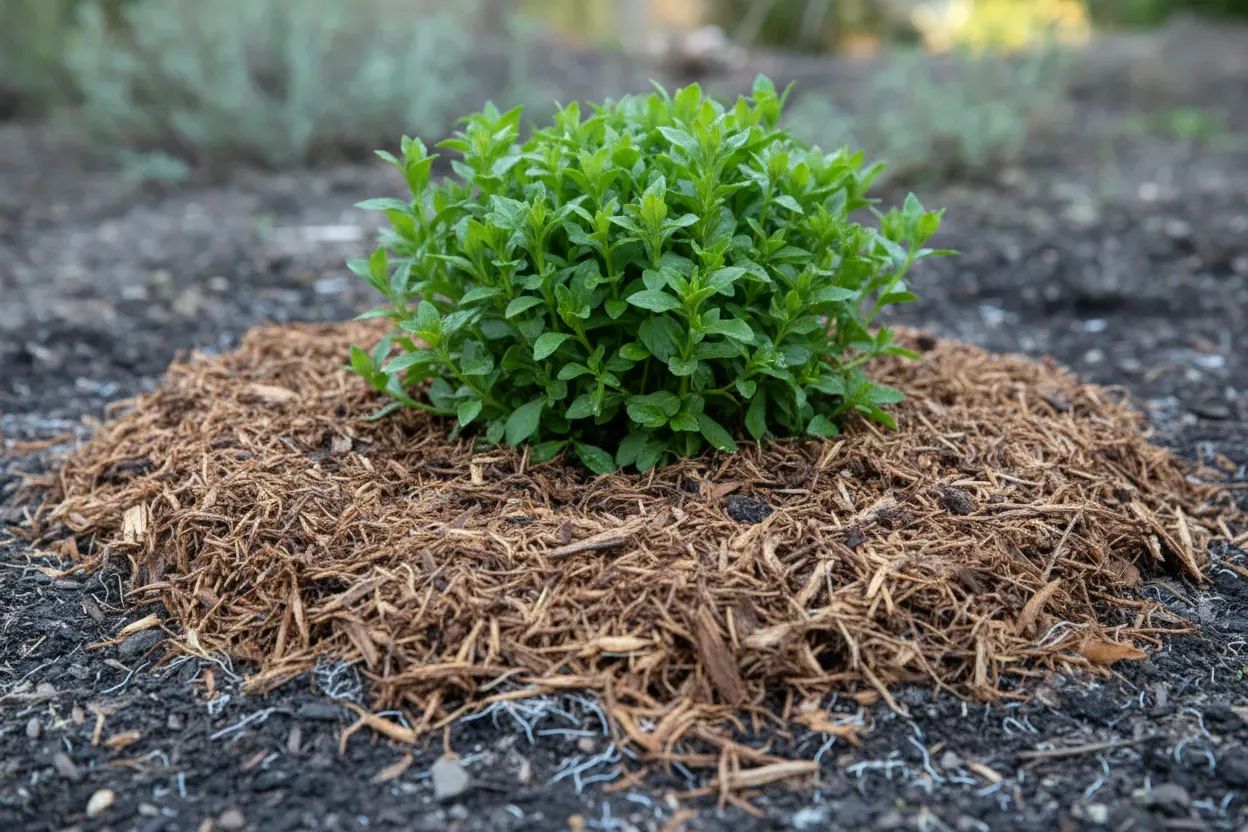
Choosing the right mulch can mean the difference between a thriving garden and one that struggles to grow. This article breaks down the key factors that determine which mulch works best for your plants, including material selection, texture preferences, and proper layering techniques. Industry experts share their proven methods for matching mulch type and depth to specific garden bed requirements.



3 gardeners in this bed
Match Material to Plant Needs
Rina GutierrezMarketing Coordinator · MacPherson's Medical SuppyWorking at MacPherson's Medical Supply, I spend my days with healthcare equipment and patient care supplies, but evenings I'm in my garden. I've learned that choosing mulch for mixed beds requires matching material to plant needs.
For perennial sections, I use shredded hardwood bark because it breaks down slowly and insulates well. In vegetable areas, I prefer straw or compost since they feed the soil quickly and I can turn them under at season's end.
Depth matters enormously. I aim for two to three inches across most beds. This holds moisture properly, keeps soil temperature stable, and creates habitat for beneficial organisms without smothering roots. I never pile it against stems or trunks, leaving a small gap to prevent rot.
My big mistake was spreading mulch too thin. I'd lay down maybe an inch, thinking I was being tidy and economical. What changed my mind was an accidental experiment. I ran out of mulch halfway through my tomato bed one year and only properly covered half at three inches deep. The difference was undeniable. The deep-mulched side needed watering half as often, soil temperature stayed consistent during heat waves, and earthworm activity was noticeably higher. Those plants outperformed the others significantly.
I also stopped using dyed mulches. They looked nice initially but seemed to drive away beneficial insects I wanted. Switching to natural, undyed materials brought back ladybugs and ground beetles that handle pest control naturally.
Just like distributing quality medical devices requires understanding patient needs, successful mulching means understanding what your soil ecosystem actually requires.
Favor Leafy Mix over Chips
Taylor OlberdingFounder/ Co-Owner · Heroes Lawn CareAvoid standard bagged wood chips and use a mix of shredded leaves and straw instead because it behaves more like a natural forest floor. Keep mulch around two inches deep in mixed garden beds. Anything thicker can mat down over time and start repelling water instead of helping the soil absorb it.
Ulch is really about balance. You want enough coverage to hold moisture and regulate soil temperature, but not so much that you restrict airflow and slow down the beneficial soil activity happening underneath.
Lighter organic materials also encourage more worm activity, which helps improve soil structure and naturally feeds the soil as the mulch breaks down.
A common mistake is layering fresh mulch over old compacted mulch every spring without loosening the existing layer first. This can create a dense barrier that prevents water from reaching the roots.
Raking through the old mulch and applying only a light layer improves absorption and helps perennials handle dry summer conditions.
Layer Compost Then Coarse Cover
Angelene PadillaSEO Specialist and Social Media Manager · Bloomfield FarmsI select based on the speed of breakdowns and turnover rate of the plants. Wood chips and bark for shrubs and perennials, straw and shredded leaves for vegetables and annuals. For mixed beds I do a layer of compost on bare soil, followed by a layer of coarser material. Biology is fed at root level whilst evaporation and heat are dealt with at the surface.
I select the depth depending on the density of my bed or the season. 2 to 3 inches for most mixed beds, just thick enough to prevent oxygen and water from getting in and out and allow weeds to die. Sandy and well drained, less than 2 inches. Over four and you form pockets of absolutely no oxygen and you will not allow soil to get too warm in the spring when it needs to be cooler for roots to grow.
The error was heaps of mulch that were too deep around plant crowns and stems. It appeared to be well done but caused ongoing moisture problems at the base causing crown rot and fungal issues. Even worse, roots began to spread out in the mulch rather than down and did not hold the plants well during dry weather even though there was heavy coverage. Mulch was removed several centimeters from all crowns and a dry collar was placed around the stems which solved the rot problem in one season. Those horizontal roots that were weaved through the mulch mat, that was what made it stick. When you realize your plant has started to grow roots in your mulch rather than your soil, the solution will be clear.
Set Depth by Soil Type
Clay soil holds water and can stay cold, so a thin mulch layer helps it breathe. A depth of about 1 to 2 inches limits rot and keeps roots from sitting in wet ground. Sandy soil drains fast and loses water, so a thicker layer makes sense.
A depth of about 3 to 4 inches slows water loss and stops weeds. Both soils still need a clear gap around stems to prevent rot. Check your soil and set the right mulch depth today.
Choose Hue That Manages Heat
Mulch color changes how much heat reaches the soil. Dark shades soak up sun and warm the bed sooner in spring. They can speed early growth for warm-season plants. Pale shades bounce light and keep root zones cooler in hot spells.
They help cut heat stress and water loss in mid-summer. Think about plant type and climate before choosing a hue. Pick a mulch color that fits the season and spread it before the next warm stretch.
Pick Texture for Local Rain
Particle size shapes how water and air move into the bed. In places with pounding rain, coarse mulch lets drops slip through and reduces runoff. In light or rare rain, a finer mulch holds scarce moisture near roots. On tight, compacted soil, chunky pieces open paths for air and water.
On loose, fluffy soil, smaller bits knit together and block weeds better. Watch how storms hit the site and match mulch texture to the pattern this season. Do a quick rainfall check and pick the right texture this week.
Hold Exposed Beds with Sturdy Mulch
Wind and slope can lift or wash light mulch downhill. Heavier choices stay put and protect soil from loss. Shredded bark locks together better than smooth nuggets on a grade. Gravel or crushed stone also resists gusts but suits dry beds best.
Edging and shallow terraces add more hold and ease water flow. Pick sturdy materials for exposed spots and anchor edges where needed. Secure sloped beds with stable mulch before the next storm.
Align Decay with Fertility Goals
Mulch breaks down at different speeds, and that affects plant feeding. Fresh wood chips and straw are high in carbon and can pull nitrogen from the surface while they rot. That tie-up can show as pale leaves and slow growth in tender plants. Composted mulch feeds soil with less risk and still covers well.
Slow-decay mulches last longer but add organic matter more slowly. Choose a mix that fits plant needs and how often topping up is planned. Test a small area and adjust mulch type or add a light nitrogen boost this month.