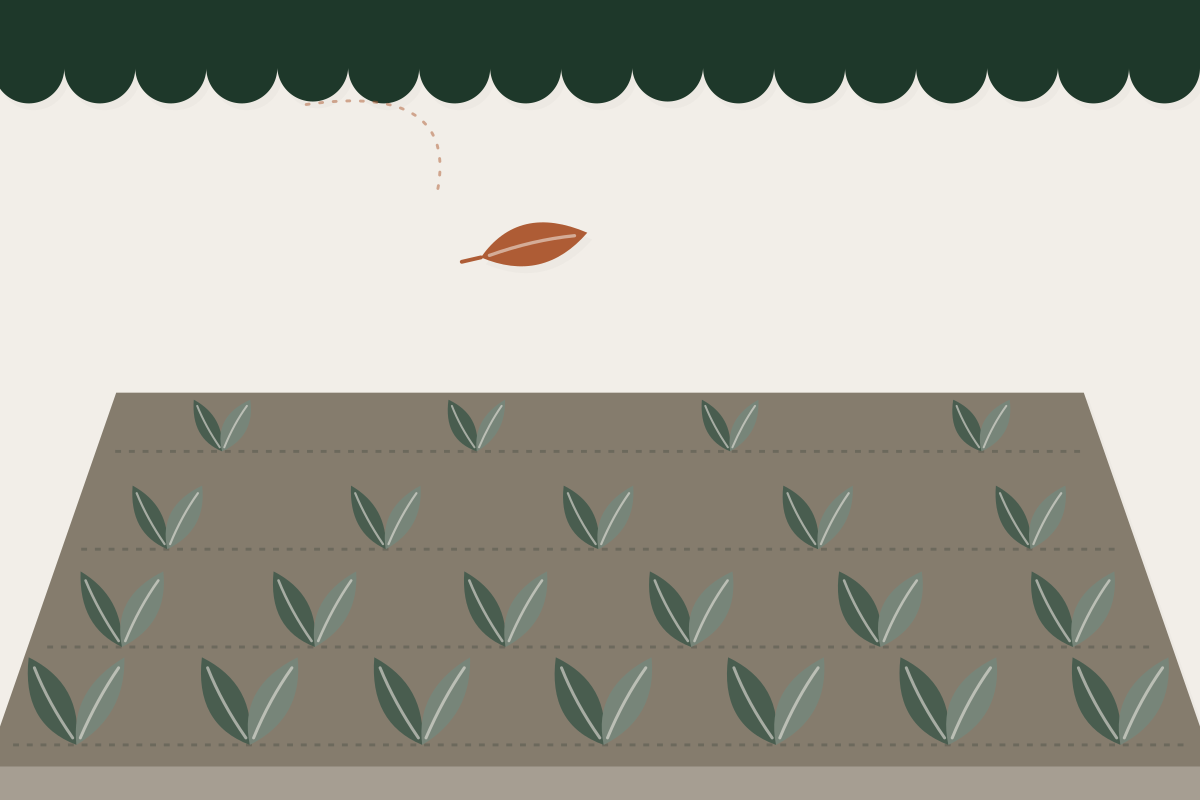
Extending the harvest period calls for accurate control of planting schedules, climatic conditions, and crop health. The most efficient strategy among them is succession planting, in which the plants are sown in 7-14 day gaps to provide a steady return. The strategy fits well in the case of quicker-growing vegetables such as lettuce, radishes, and carrots, making possible the longer period between harvests without the burden of heavy harvest peaks.
Another critical element to consider is temperature and humidity control. According to research, a 5°C differential in average temperature reduces or expands the period by up to two weeks. Incorporating row covers, and low tunnels raises the temperature in the air and the ground, avoiding the damage from cold and sustaining crop productivity. Likewise, having the optimal ground water content (60-80% field capacity) inhibits bolting and sustaining the crop in productive condition longer.
Crop selection also enters the picture. Through the planting of the early, mid, and late-maturing varieties, you are able to extend the harvesting period by 30-45 days in the case of the tomato, strawberry, and bean. It's also possible to control how the plants develop by regulating the application of the nitrogen. It's possible to slow the maturation in the case of the fruiting plants by applying 20-30% later in the crop life and all at planting.
For those who seek to maximize harvest period, monitoring the progress and signs of stress in plants in real-time are the priority. Regulating fertilization, water, and temperature control in response to the plants' responses means the plants are productive for as long as possible. Through proper planning and decision-making based on facts, harvesting can be extended considerably beyond the conventional period, and the yield and quality are also maximized.